
I have always been someone who loves technology and is genuinely excited by what it can do for medicine. The promise of better efficiency, safer care, and more time with patients is hard not to believe in. Over the years, though, I have watched that promise fall short far too often.
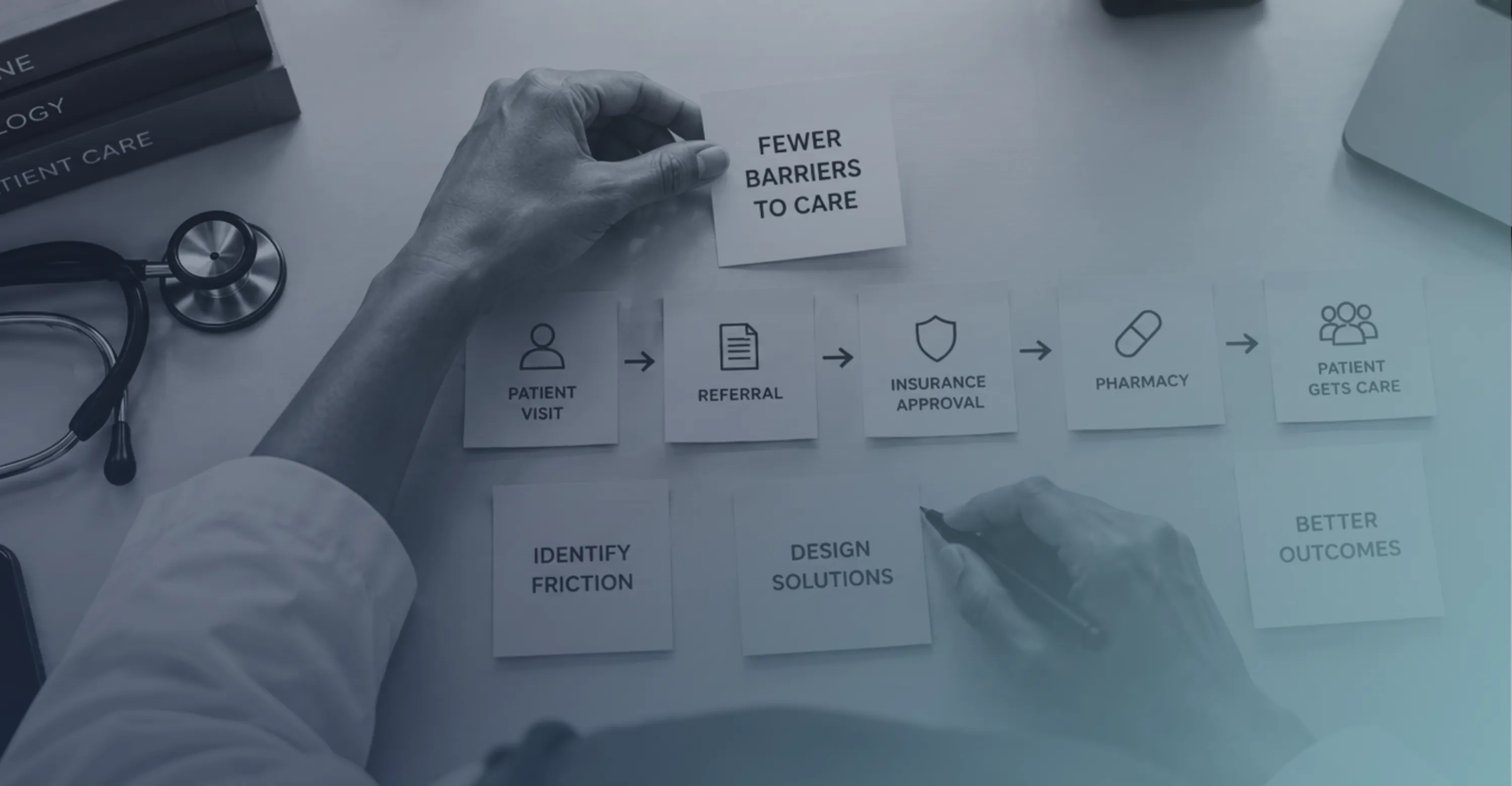
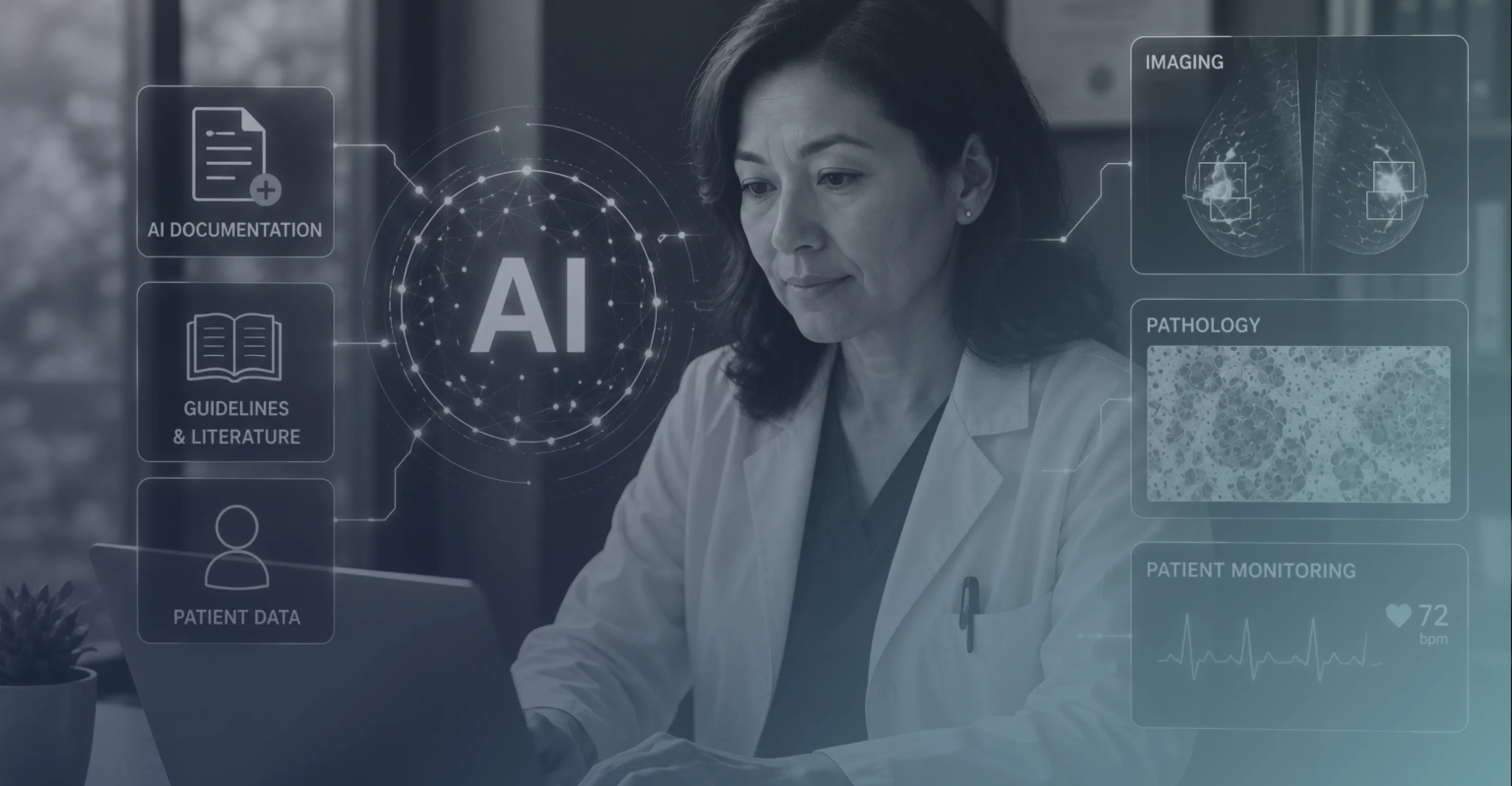
The pattern is consistent. A company develops a tool—an AI diagnostic assistant, a clinical documentation platform, a patient engagement app—and builds it with good intentions but without enough physicians in the room. The product launches. Clinicians try to use it. It does not fit the workflow. It creates friction instead of removing it. It gets ignored or worked around.
This is not a technology failure. It is a design failure. And it is preventable.
Healthcare technology works when it is built around how clinicians actually practice, not how someone outside clinical medicine imagines they practice. The difference matters. A workflow that looks efficient on a whiteboard can be completely unworkable in a busy clinic where time pressure, interruptions, and documentation burden are constants.
Clinician input is not just useful for user testing after the product is built. It needs to come in at the concept stage, during design, during development, and at every iteration. Physicians understand the edge cases. They know what failure modes look like in real care settings. They can identify risks that do not appear in training data.
The good news is that companies are starting to understand this. The ones building durable products are hiring physicians as advisors, medical directors, and in some cases as product leads. They are running pilots in real clinical settings before broad deployment. They are treating feedback not as a complaint to be managed but as a signal to be incorporated.
The stakes are high enough to get this right. AI tools that work save time and reduce error. Tools that do not work add burden and, at worst, introduce new risks. The difference often comes down to whether the people who will use the technology were part of building it.