





Raynaud's Is More Than Cold Hands
Iqra Aftab, MD, RheumatologistWhat physicians should know about recognizing attacks, finding secondary disease, and knowing when to refer to rheumatology.
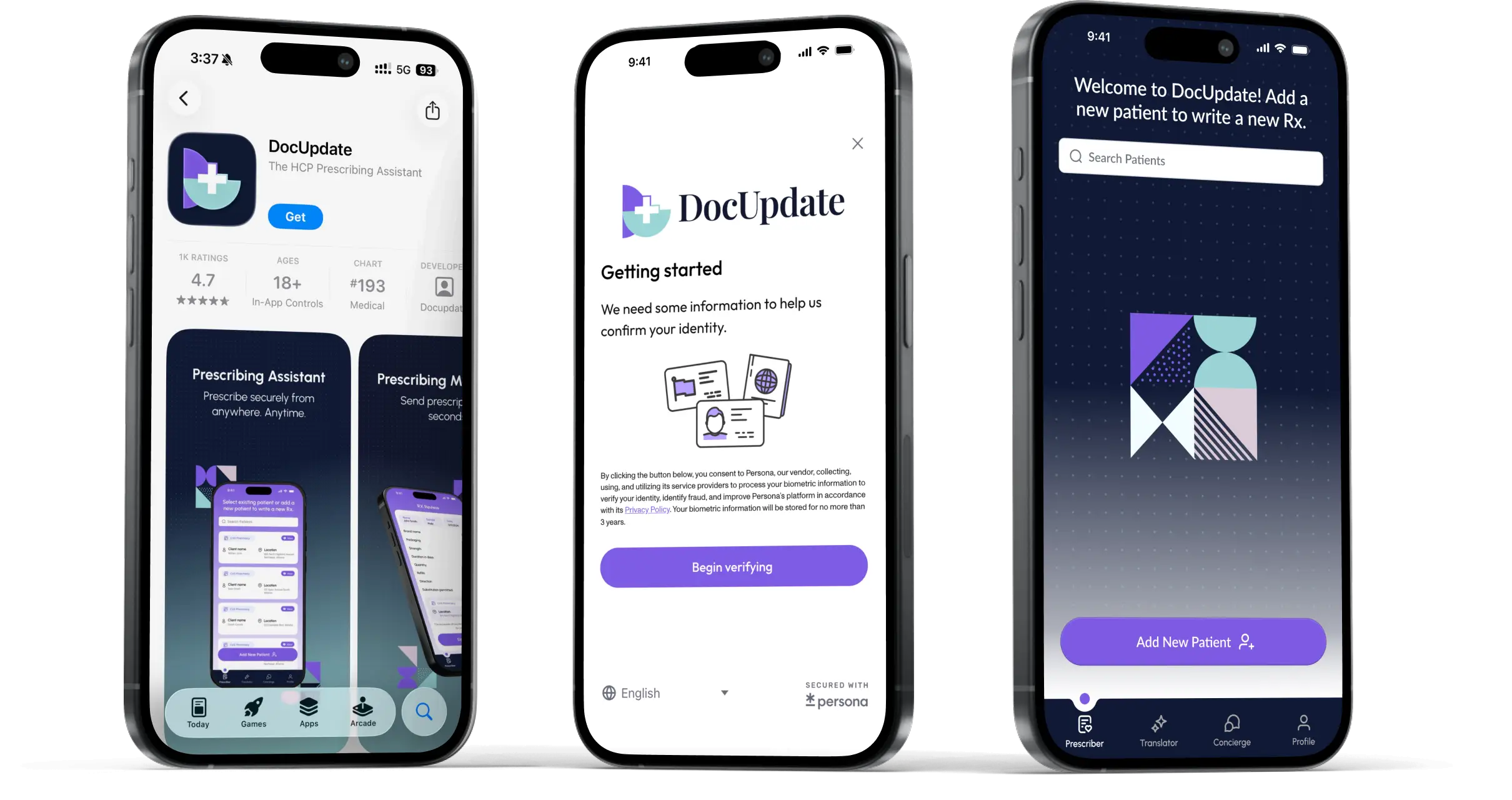
DocUpdate connects clinicians, patients and industry partners with intelligent tools that accelerate access to treatment – all at no cost.
Get the App
Download the app and confirm your NPI.
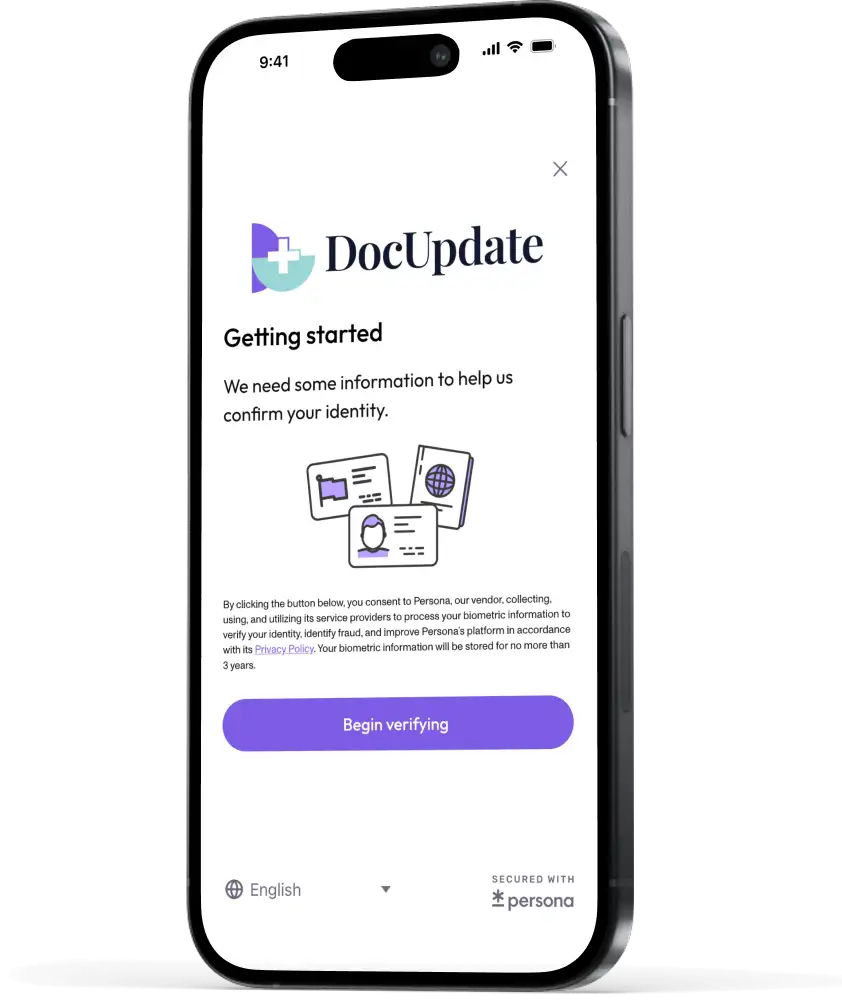
Complete secure identity setup with Persona.
Access ePrescriptions, pharma requests and the AI Translator.

Download the app and confirm your NPI.

Complete secure identity setup with Persona.

Access ePrescriptions, pharma requests and the AI Translator.

Oncologist
UChicago Medicine

Gastroenterologist
John Hopkins Medicine

Oncologist
Baptist Memorial Hospital

Dermatologist
Endeavor Health

Gastroenterologist
John Hopkins

Neurologist
Capital Neurology and Sleep Medicine

Oncology Fellow
University of Chicago

Hospitalist
Monterey Hospitalist Group

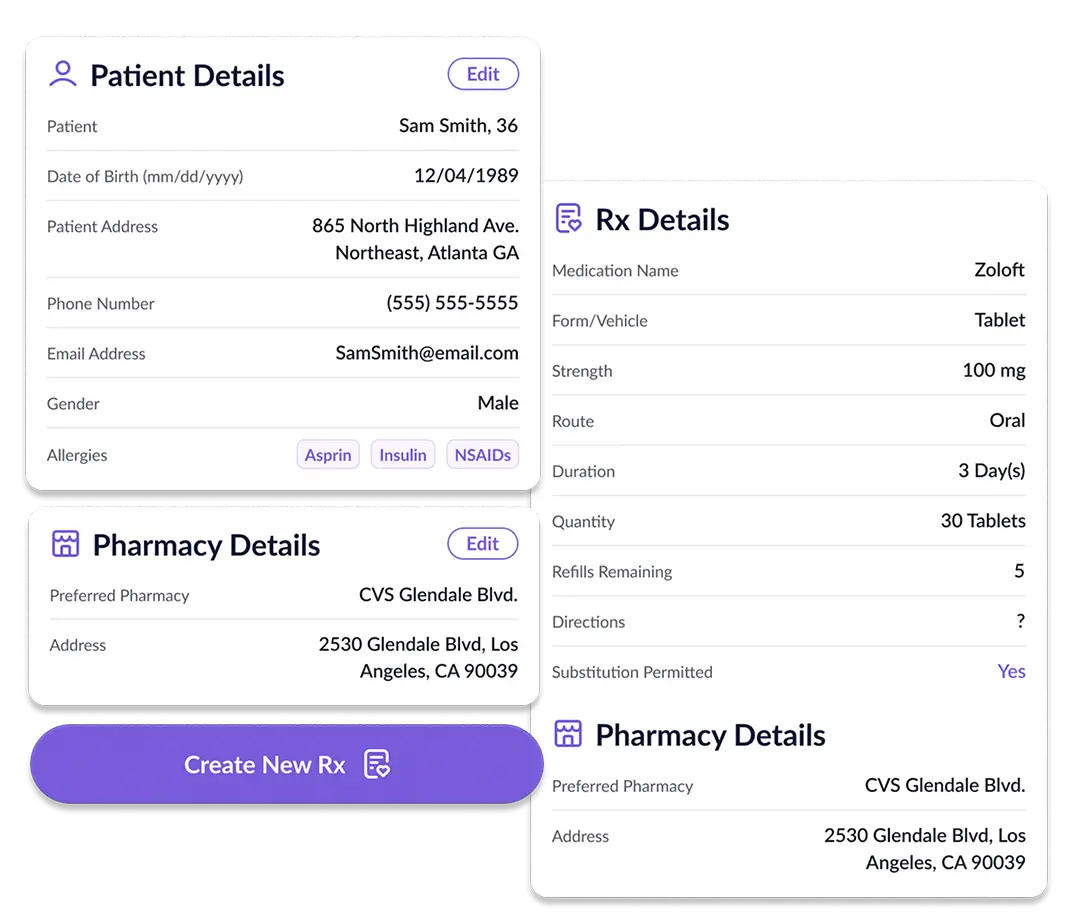
Send new scripts or renewals whenever needed – rounds, call, home, anywhere.
Learn more


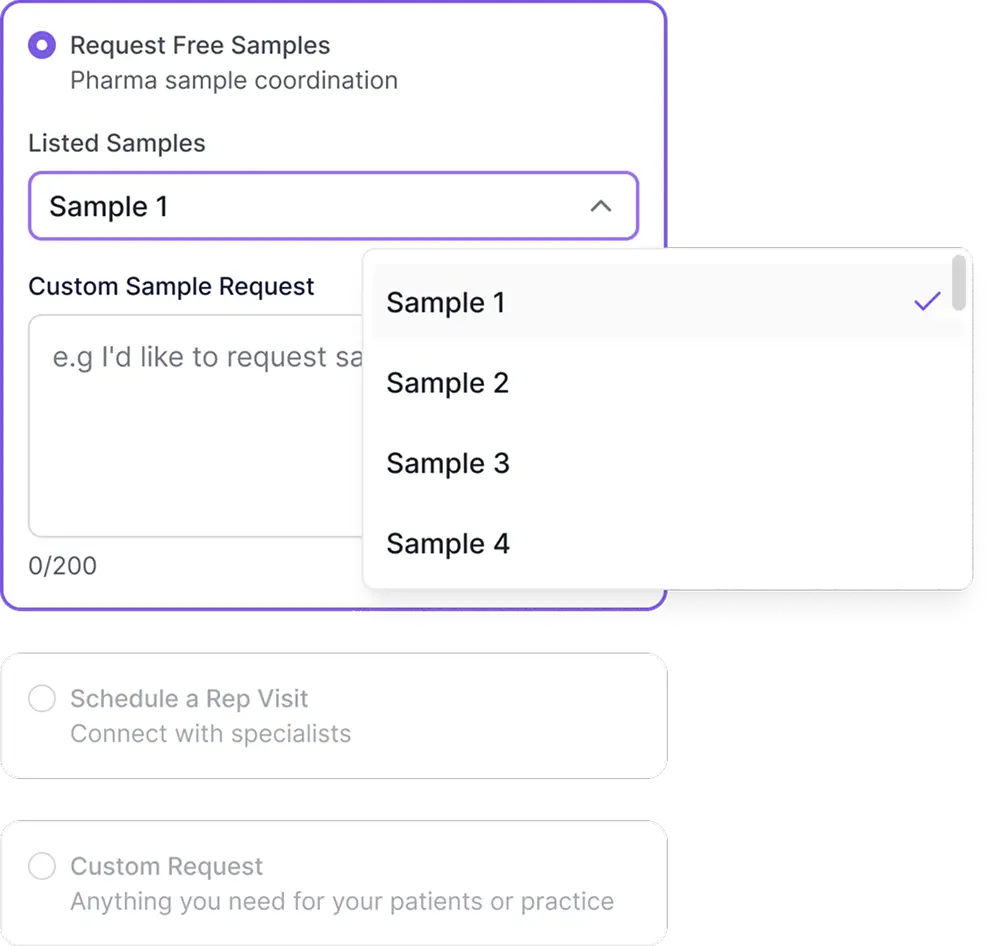
Request samples and medical information instantly – no emails, no voicemail tags, no chasing.
Learn more
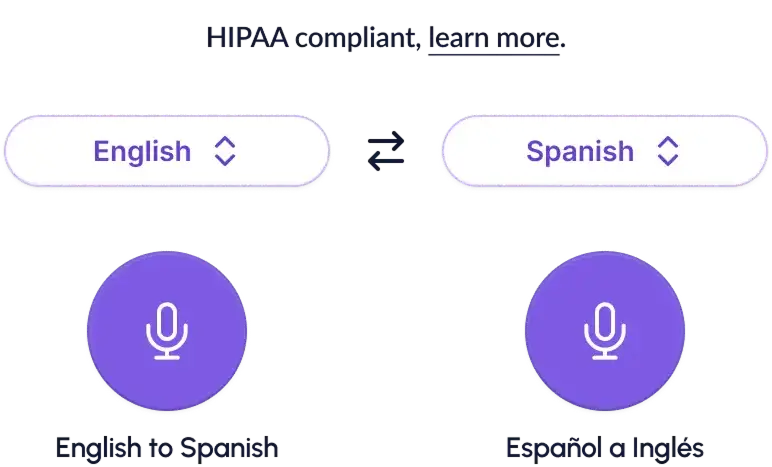
Medical-smart translation starts immediately – No setup, no scheduling, no forms.
Learn moreDocUpdate is available to licensed U.S. healthcare providers who are authorized to prescribe medications. This includes physicians (MD, DO), dentists (DDS, DMD), podiatrists (DPM), nurse practitioners (NP, APRN), physician assistants (PA), and optometrists (OD), in accordance with each state’s scope of practice.
Yes. DocUpdate is fully HIPAA-compliant and operates under a formal Business Associate Agreement (BAA). We protect all Protected Health Information (PHI) using industry-standard encryption, restrict access and disclosures to the minimum necessary, and promptly report any incidents as required by law. We take data privacy and security extremely seriously. View our full BAA.
We work with 95% of US pharmacies — non-controlled prescriptions can be sent nationwide.
Yes, DocUpdate is completely free for providers. We keep it free by partnering with select, specialty-relevant pharma companies to share curated updates relevant to your practice. These messages are delivered by DocUpdate, not by third-party marketers, and you can adjust or opt out of them here.
Send us an email at support@docupdate.io

What physicians should know about recognizing attacks, finding secondary disease, and knowing when to refer to rheumatology.

Five practical ways to start, without learning to code or leaving clinical practice.

56% of Gen Z respondents reported turning to TikTok for health and wellness information in a 2024 Zing Coach survey. As health information becomes increasingly accessible through social media, so does medical misinformation.

"Is there anything I should eat differently so my cancer does not come back?" It is one of the most common questions patients ask after completing cancer treatment.

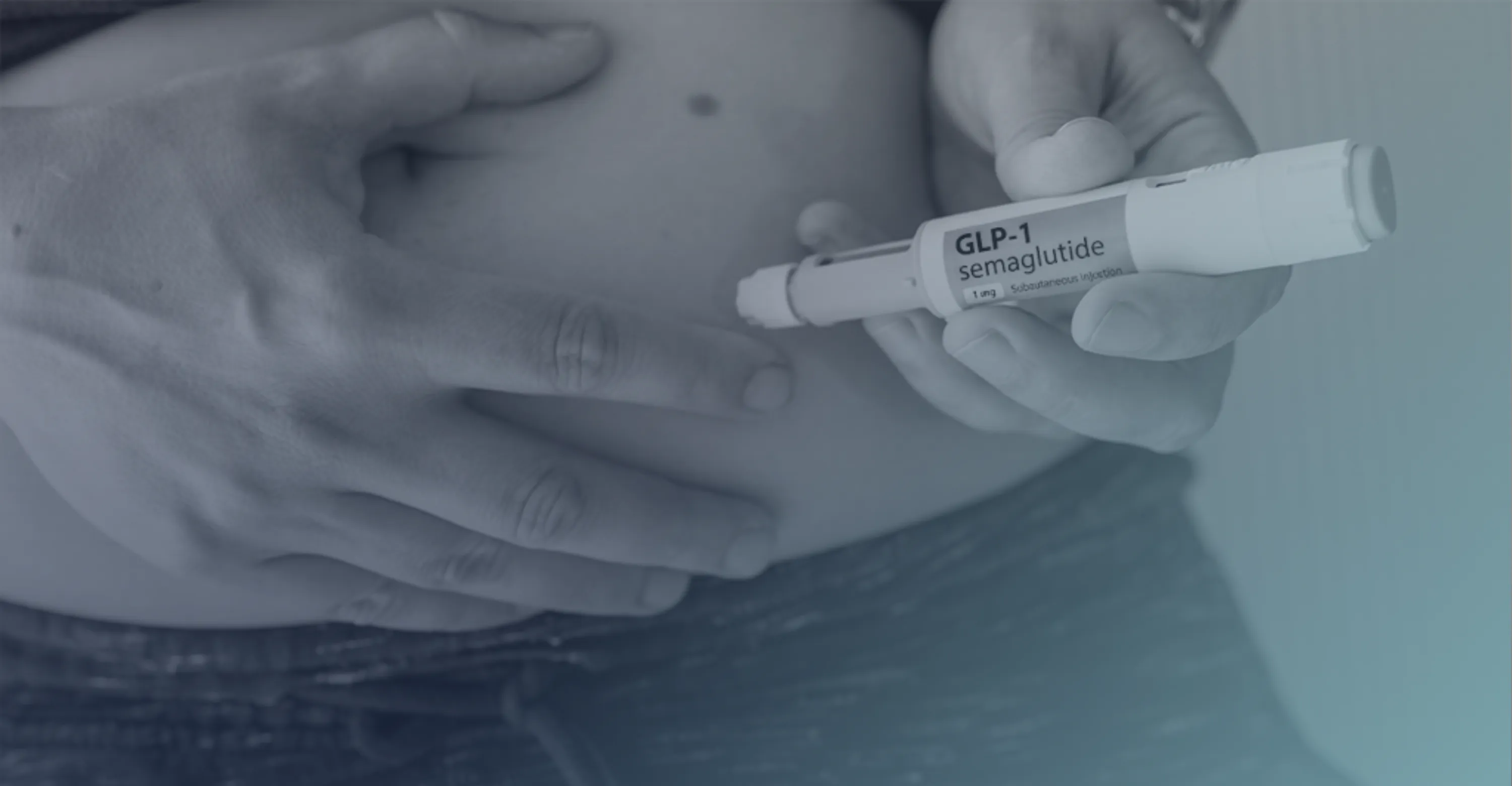
"Can I take Ozempic after breast cancer?" It is becoming an increasingly common question in survivorship clinics.

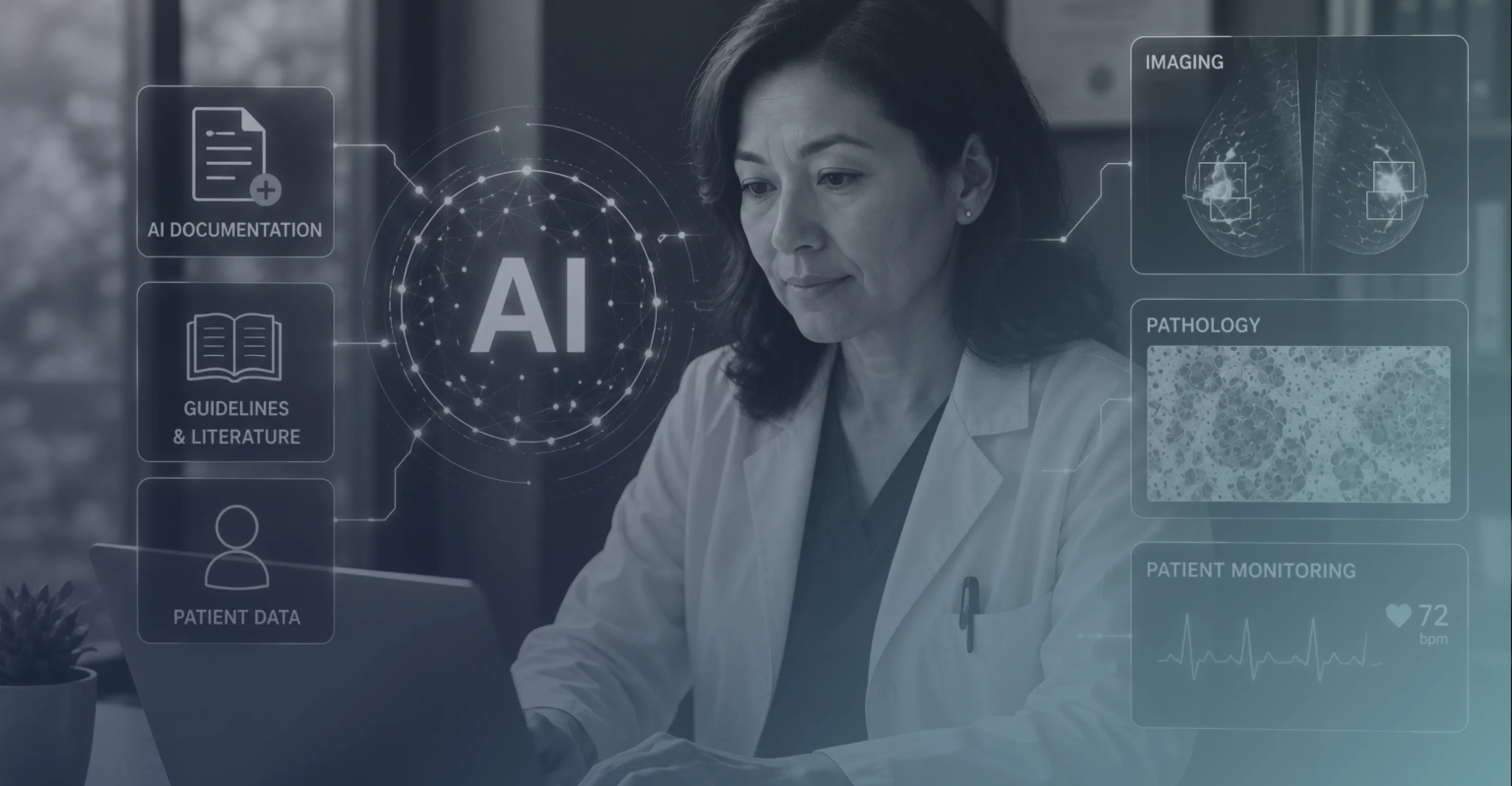
Artificial intelligence (AI) has quickly become one of the most discussed topics in oncology. Every week seems to bring another announcement of a new large language model, imaging algorithm, or prediction that AI will transform cancer care.

Physicians get very good at preparing for things. Boards. Procedures. Difficult cases. The first day of residency. The first day as an attending. Finances do not always get the same advance planning.

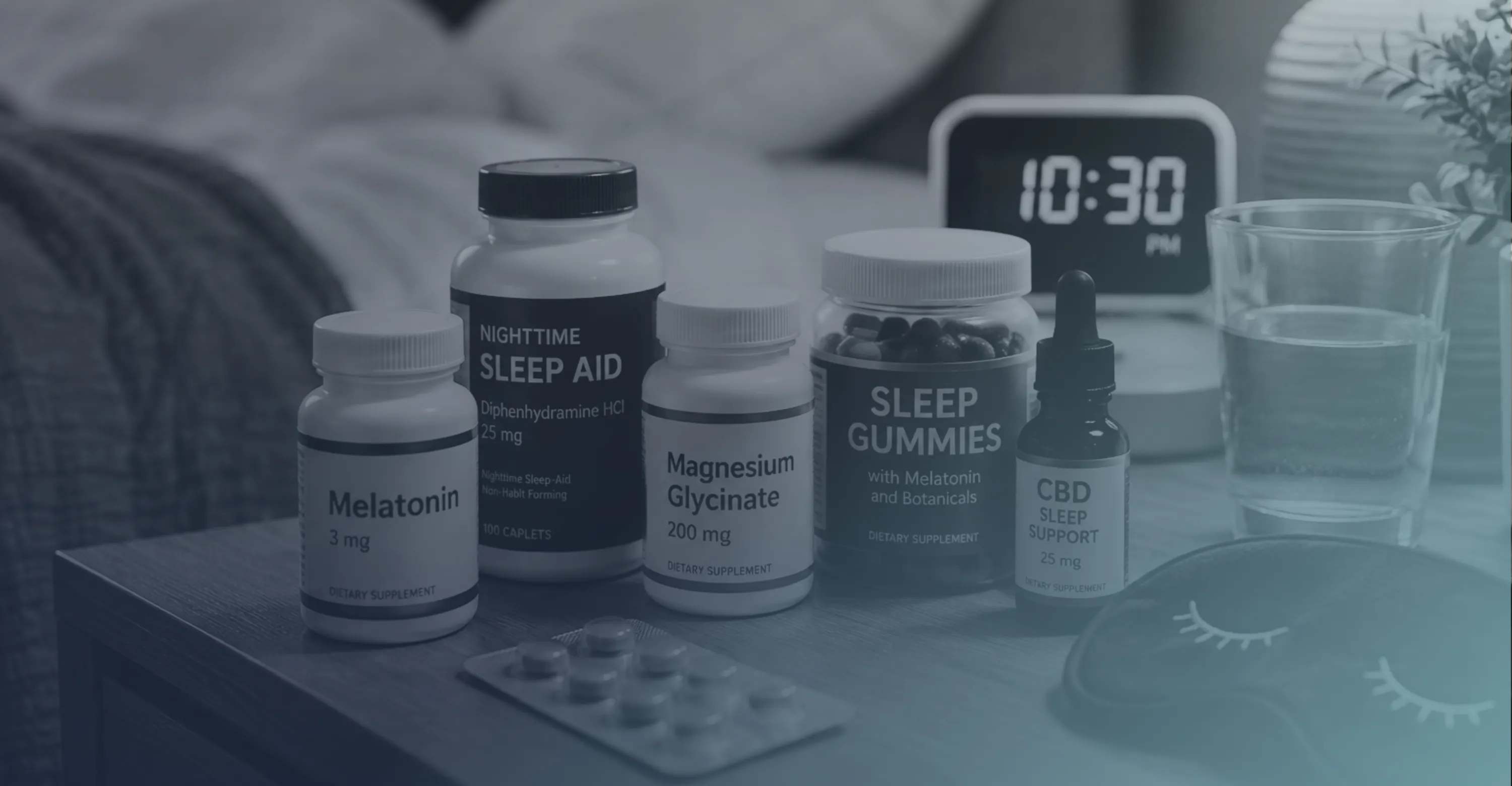
You're reviewing a patient's medications. "Anything else you take regularly?" "Just something to help me sleep." Easy enough. "What do you take?" They pause.

The visit is over. You reviewed the diagnosis, talked through the treatment plan, sent the prescription, and asked if there were any questions. "Nope, I think I'm good." Then your patient gets to the pharmacy.

Historically, atopic dermatitis (AD or eczema) was viewed primarily as a chronic inflammatory skin condition. Over the past decade, however, research has revealed that AD is far more than simply dry skin, arising from a complex interaction of genetics, immune dysregulation, skin barrier dysfunction, the skin microbiome, and environmental exposures.

Two patients. One disease. Yet neither patient experiences the disease in the same way.

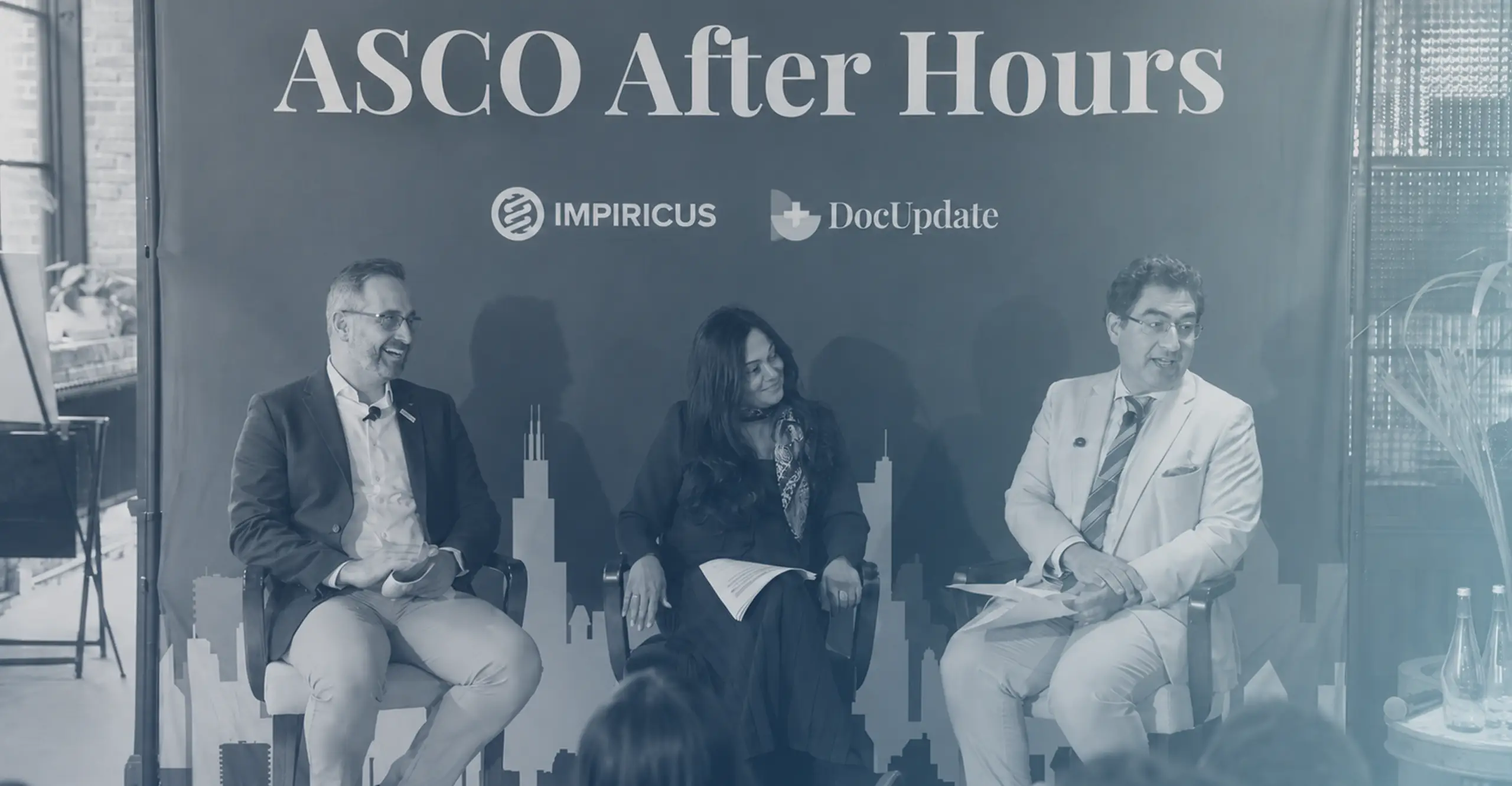
ASCO 2026 sparked passionate conversations about emerging topics in oncology. DocUpdate CEO Dr. Osama Hashmi joined hosts in a spirited discussion of ASCO's most controversial subjects.

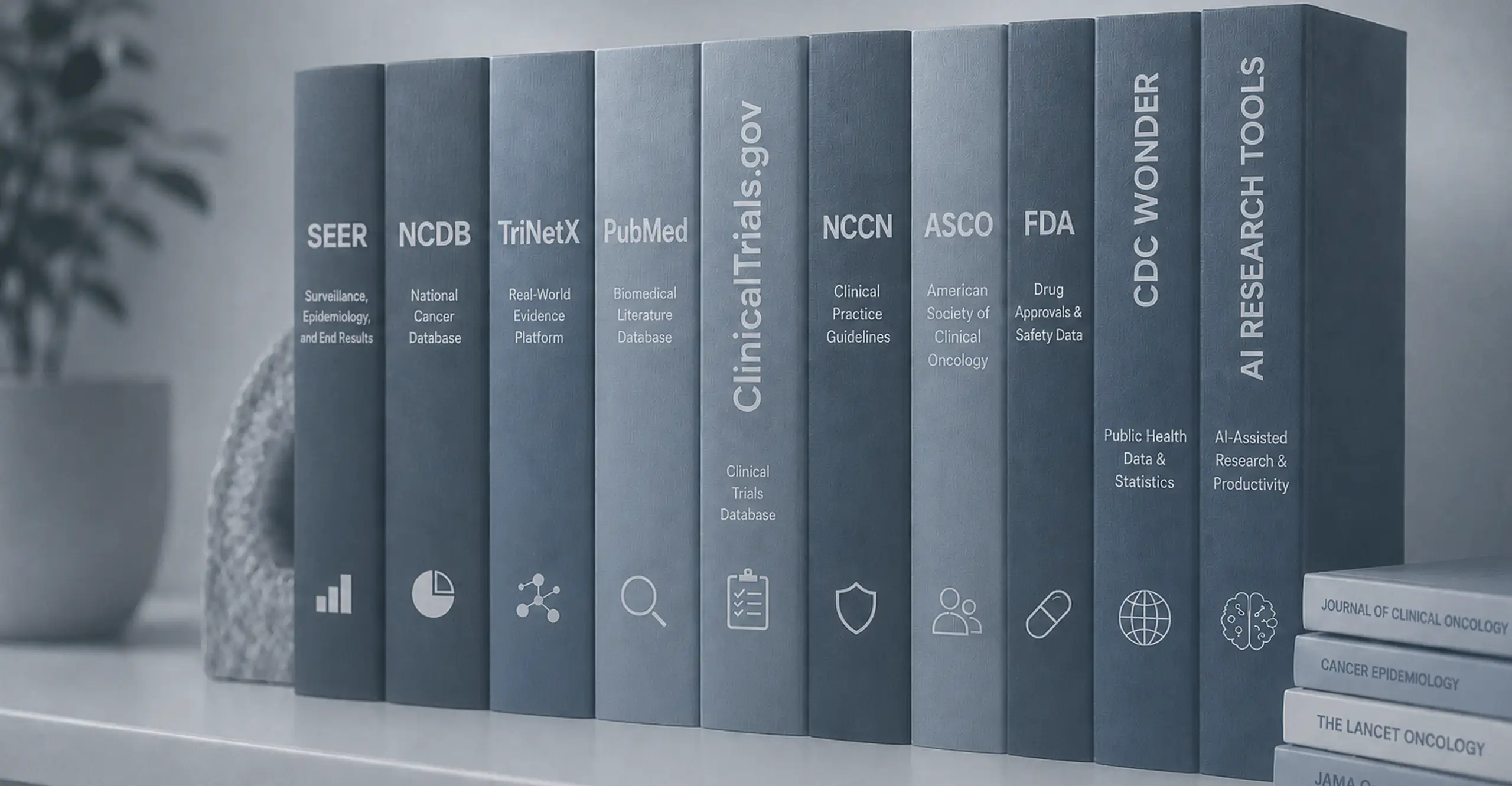
One of the most common questions I receive from fellows is, "I want to do research, but where do I start?" Today, numerous high-quality databases allow fellows to answer clinically relevant questions.

The prescription was sent. The treatment plan was made. But the therapy never actually started. That gap has a name: prescription abandonment.

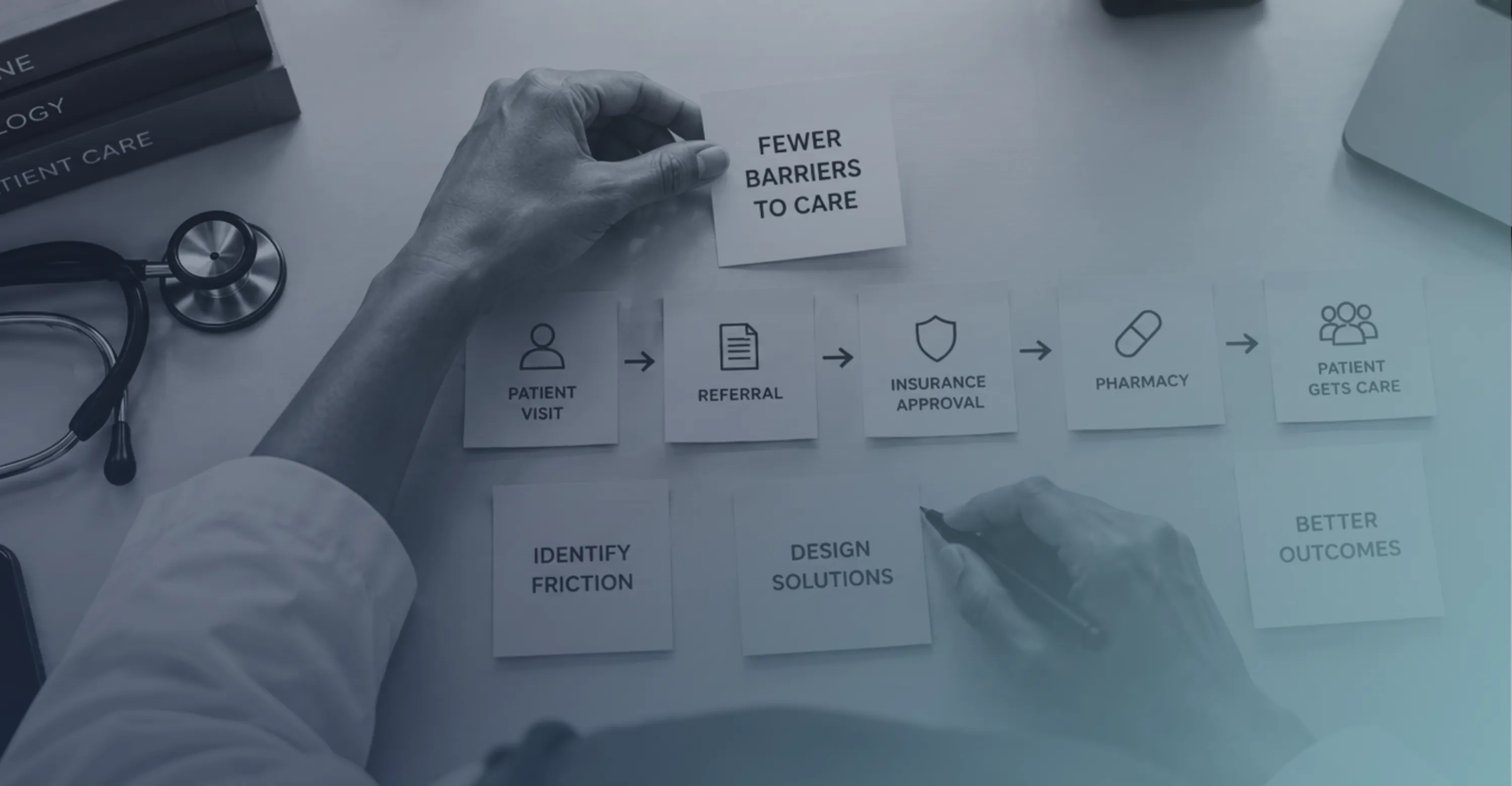
Most clinicians do not need another explanation of prior authorization. They live with it every day. The useful question is what can be done before the first denial.

The medication made sense in the exam room. Then the patient got to the pharmacy. That is often the moment a treatment plan turns into a financial decision.

Most patients have heard about the Shingrix vaccine. But when it comes to helping patients complete the full two-dose series, awareness is only part of the conversation.

Obesity and breast cancer are two of the most pressing health challenges affecting women today, and growing evidence suggests they are closely connected.

Incorrect inhaler technique can keep patients from getting the full benefit of their treatment. Simple patient education, teach-back, and better conversations can improve outcomes.

By the time we finish dermatology residency, most of us feel confident identifying rashes, managing complex skin disease, and performing procedures efficiently.

Rheumatoid arthritis (RA) is still too often reduced to a visual shorthand: swollen hands, tender joints, morning stiffness.

One of the most persistent misconceptions in inflammatory disease is that the severity of psoriasis predicts the severity of psoriatic arthritis (PsA).

AI chatbots have arrived everywhere: inside patient portals, clinical documentation tools, symptom checkers, and even consumer health apps.

Pharmaceutical ads on television are ubiquitous. Everyone in the USA is familiar with the shots of happy people enjoying their lives with uplifting music in the background.

Most-Favored-Nation (MFN) drug pricing sounds simple on paper: tie what the U.S. pays for certain drugs to the lowest price available in comparable countries.

GLP-1 medications have completely changed the way many patients and clinicians think about weight and metabolic health.

I have always been someone who loves technology and is genuinely excited by what it can do for medicine.

Normalize early. Ask upfront: 'What did AI tell you?' This surfaces misconceptions efficiently.

Drug pricing reform usually feels like something happening far from daily practice–important but abstract.