Normalize early. Ask upfront: 'What did AI tell you?' This surfaces misconceptions efficiently before they drive anxiety or derail the visit. Reframe AI's role. Position AI as a conversation starter, not a second opinion. You bridge the gap between generic outputs and their individualized care plan.
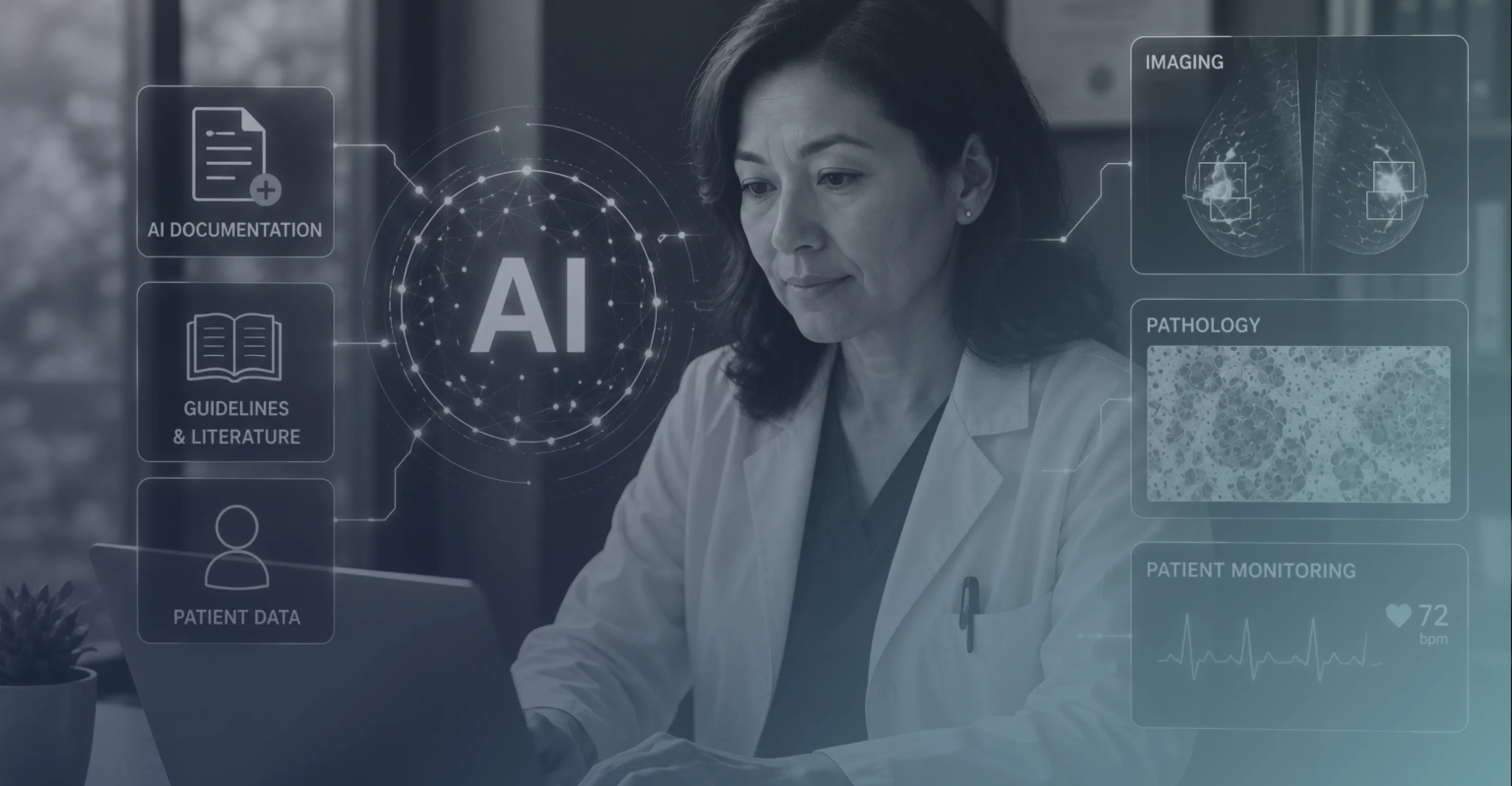
AI chatbots have fundamentally changed how patients arrive at oncology appointments. A patient who once came in with questions now often comes in with answers—or what they believe are answers. They have searched their diagnosis, read summaries of clinical trials, and sometimes received AI-generated interpretations of their own pathology reports.
This shift creates both a challenge and an opportunity. The challenge is that AI-generated information is often accurate in the general sense but misapplied to an individual's specific situation. The opportunity is that a more informed patient is often a more engaged patient—if the conversation is managed well.
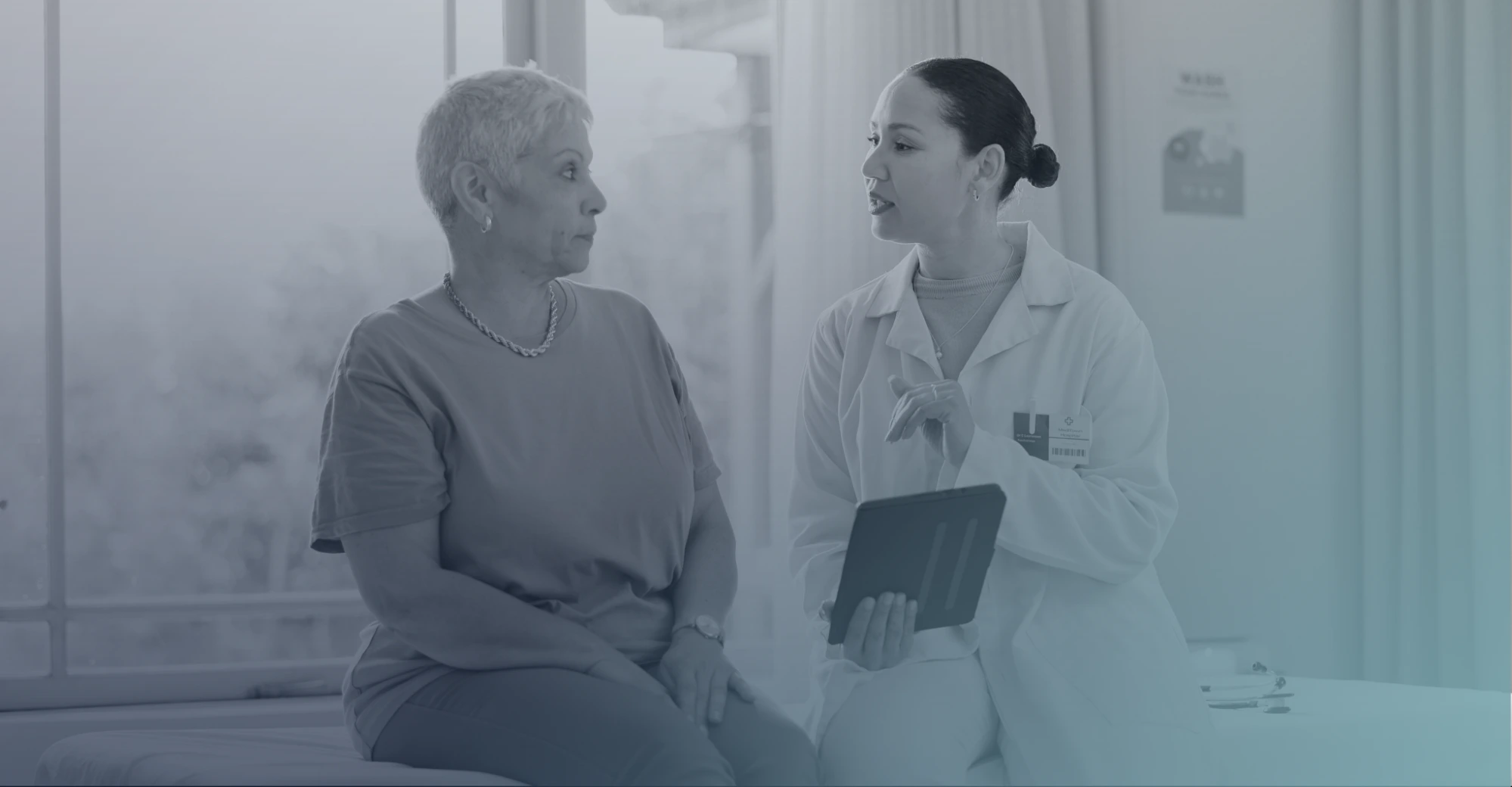
The most effective approach is to treat the AI conversation as part of the clinical encounter rather than separate from it. Asking patients directly what they have read or what tools they have used opens a dialogue. It also gives the clinician the chance to confirm what is accurate, correct what is not, and contextualize what is partially true but misapplied.
Oncologists who have adapted to this environment tend to describe it as a shift in their communication role. The visit is less about delivering information and more about interpreting it—helping the patient understand not just what the data says but what it means for them specifically, given their age, comorbidities, treatment preferences, and goals.
The risk to avoid is dismissiveness. Patients who feel their research is being brushed aside disengage. A more productive response is to acknowledge what they found and then add the clinical layer: 'That study is real, and here is how it applies—or doesn't—to your case.'